Monday, June 27, 2016

I am officially on instagram! Follow me at foodxplorerrd
https://www.instagram.com/foodexplorerrd

Tuesday, March 8, 2016

Happy National Nutrition Month 2016

March is National Nutrition Month! Savor the flavor of eating right by taking your time to eat. This will help you discover the flavors of your food and help digest your food better. Enjoy! 

Here is a tip on how you can enhance the flavor of your salads or marinades:


Thursday, January 7, 2016

New Dietary Guidelines for Americans 2015-2020


It's a new year and with the new year comes a new diet guideline! Today the HHS and the USDA released a new edition of the Dietary Guidelines for Americans 2015-2020. The guidelines are published every 5 years. Personally, I think the Guidelines serve to reinforce that a healthy eating pattern involves eating a variety of colors (as in fruits and vegetables) and staying within daily calorie requirements. 


Check out the 5 Guidelines that encourage healthy eating patterns:


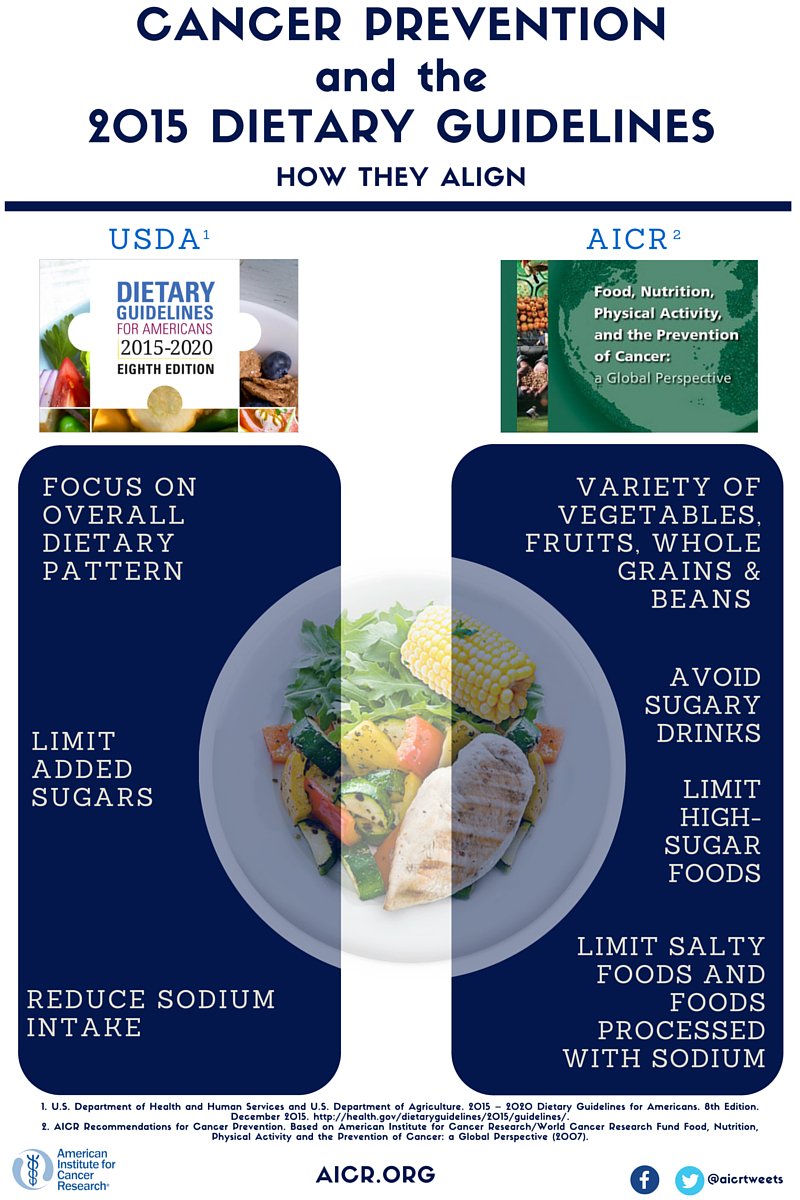
Here is how the New Dietary Guidelines is similar to the current Cancer Prevention Guidelines.


The new Guidelines is far from perfect. It's only fair to discuss the shortcomings of the new Dietary Guidelines. Check out the chart below and Dr. Barnard's blog for more information.

dietary-guidelines-usda

The Dietary Guidelines' release today may be helpful for those who are reforming their lifestyle habits and trying to eat healthier as part of their New Year's resolution. There is nothing significantly new about the Guidelines that other health organizations (eg: American Institute for Cancer Research, American Heart Association) haven't already discussed. However, the Dietary Guidelines affect several federal nutrition assistance programs such as the school lunch program, WIC, and SNAP. Once again, use the the Dietary Guidelines as a "guide" to keep you on a healthy eating pattern today and everyday. Let it remind you that our food choices have an impact on our health.

Source: 
https://www.youtube.com/watch?v=2kwG68fYQ3w&feature=youtu.be
U.S. Department of Health and Human Services and U.S. Department of Agriculture. 2015 – 2020 Dietary Guidelines for Americans. 8th Edition. December 2015. Available athttp://health.gov/dietaryguidelines/2015/guidelines/.
http://www.pcrm.org/nbBlog/digesting-the-2015-dietary-guidelines

Tuesday, November 17, 2015

Portion size for the holidays and everyday

Thanksgiving and the winter holidays are around the corner. It’s important to prepare for the excessive amount of food that we will face in the office or at home for those holiday parties.  One way to keep in good health is to not overeat or, in other words, watch your portion sizes to help you control the servings on your plate.

There are various tools and methods to estimate your portions. I use WebMD’s Portion SizeGuide for my patients. It’s simple and easy to follow. Their Guide provides 2 ways to help you be mindful of your portions: 1) Use the plate model  2)  Use everyday things around the house. 


The plate model is a guide I use for my patients who prefer to visualize their plate. See image above for details on how to portion out your plate. 

Using everyday things around the house provides another way for you to keep track of your portions. Take these items with you when reading the Portion Size Guide: baseball, lightbulb, golf ball, poker chip, cassette tape, deck of cards, checkbook, CD, hockey puck, or dice. It will help you visualize and feel the portions.  

If WebMD’s Portion Size Guide is not for you, you can also use your hand to help guide your portions. Guard Your Health has an informative visual on using your palm, clenched fist, fingertip, and thumb to keep you from over-serving yourself with food.  


To continue from my previous blog post, What’s the deal with red meats and processed meats?, keep in mind that 1oz of meat, poultry, and fish is equal to 7g protein. So, a 3oz meat is approximately 21g protein. Following the recommended 18oz serving of red meats per week, you may still consume about 6 palm-sized red meats (1 palm= 3oz) per week.

The bottom line:  enjoy yourself and the food during the winter holidays and everyday! Just remember to be mindful of your portions and apply the above portion size guides. 


Saturday, November 7, 2015

Pumpkin Sweets Recipes

On special occasions, a little treat is good. What better treat for Fall than a chocolate chip pumpkin cake and pumpkin brownie! I am feeling a bit nostalgic today and given the fact that canned pumpkin filling is on sale this week at my local CVS, I felt I had to make something pumpkin.

When I was in undergrad Intro to Foods lab, one of the lab assignments we had involved shortened and foam style cakes. That’s when I came across this SUPER easy pumpkin cake. Clean up is a breeze because all of the ingredients go in 1 bowl for the chocolate chip pumpkin cake. The pumpkin brownie is a new recipe I found on Allrecipes.com and was a little tedious. But, they are both equally delicious! 

Enjoy...

Chocolate Chip Pumpkin Cake


Photo courtesy of Food Explorer RD
1 cup sugar
½ cup oil
2 eggs
1 ½ cups flour
1 teaspoon baking powder
1 teaspoon baking soda
1 teaspoon cinnamon
¼ teaspoon nutmeg
1/8 teaspoon cloves
¼ teaspoon ginger
½ teaspoon salt
½ can pumpkin pie filling
3 ounces mini chocolate chips


Preheat oven to 350 degrees F. Mix everything in order given. Batter will be thick. Bake in greased, floured cake pan for 40-45 minutes at 350 degrees F, or until wooden pick inserted in center comes out clean. Cool completely before serving.

I had extra pumpkin filling so I decided to use it to make another recipe. I found this online.


Pumpkin Brownie

Recipe by: CroqueMadame
"A twist on a classic brownie recipe--perfect for fall! Rich chocolate flavors are nicely complemented by pumpkin and spices."
Ingredients


Photo courtesy of Food Explorer RD
·       3/4 cup all-purpose flour       
·       1/2 teaspoon baking powder
·       1/2 teaspoon salt
·       3/4 cup butter, melted
·       1 1/2 cups white sugar
·       2 teaspoons vanilla extract
·       3 eggs
·       1/4 cup cocoa powder
·       1/2 cup semi-sweet chocolate chips
·       1/2 cup pumpkin puree
·       1/2 cup chopped walnuts
·       3/4 teaspoon ground cinnamon
·       1/2 teaspoon ground cloves
·       1/2 teaspoon ground nutmeg


Directions
  1. Preheat oven to 350 degrees F (175 degrees C). Grease an 8x8 inch baking pan. Stir the flour, baking powder, and salt together in a bowl.
  2. In another bowl, stir together the melted butter, sugar, and vanilla extract; beat in the eggs one at a time with a spoon. Gradually add the flour mixture, and stir the batter until it's evenly moistened. Divide the batter in half in two separate bowls.
  3. Into one bowl of batter, blend the cocoa powder and chocolate chips. In the second bowl of batter, stir in the pumpkin puree, walnuts, cinnamon, cloves, and nutmeg.
  4. Spread 1/2 of the chocolate batter into the bottom of the prepared baking pan, and follow with 1/2 of the pumpkin batter. Repeat the layers, ending with a pumpkin layer, and drag a kitchen knife or small spatula gently through the layers in a swirling motion, to create a marbled appearance.
  5. Bake in the preheated oven until the brownies begin to pull away from the sides of the pan, and a toothpick inserted into the center comes out clean, 40 to 45 minutes. Cool in the pan, cut into squares, and serve.
ALL RIGHTS RESERVED © 2015 Allrecipes.com


Source: Pumpkin Brownies. http://allrecipes.com/recipe/211165/pumpkin-brownies/print/. Accessed November 7, 2015.

Pumpkin mania!

Photo courtesy of Food Explorer RD

I have been craving the chocolate chip pumpkin cake I made back in my undergrad, Intro to Foods lab. Even though the weather is not your typical autumn weather, pumpkin anything is everywhere! Today, I’ve made 2 different pumpkin treats. But, before I post the recipe, let’s talk about the health benefits.

What’s so good about pumpkin, besides tasting delicious and its vibrant orange color? Pumpkin is full of important nutrients for maintaining health. Below is a list of healthy nutrients in pumpkin and its health benefits.

Remember, if you don’t have the time or energy to puree your own pumpkin from scratch, consider buying canned 100% pure pumpkin to take advantage of this healthy ingredient. You can use it in seed form or to make desserts, bread, soups, etc.


Nutrients


Health Benefits


Vitamin A
Essential for good vision and cell growth
Carotenoids/Beta carotene
May inhibit cancer cell growth, work as antioxidants, and improve immune response
Fiber
See blog, Dietary Fiber 101 (October 23, 2015)
Vitamin E
Antioxidant, boost immune system, helps widen blood vessels and keep blood from clotting within them, important for metabolic processes
Vitamin C
Antioxidant, good for your skin, bones, and connective tissue, promotes healing and helps the body absorb iron
Magnesium
regulates muscles and nerve function, blood sugar levels, and blood pressure and making protein, bone, and DNA
Potassium
Helps nerves and muscles communicate, plays role in moving nutrients into cells and waste products out of cells, helps with regulating blood pressure

Iron
Growth and development, important for making hemoglobin and myoglobin (helps provide oxygen to the body), makes some hormones, and connective tissue
Copper
Works with iron to help body form red blood cells; essential for keeping blood vessels, nerves, immune system, and bones healthy; aids in iron absorption
Manganese
Used for prevention and treatment of manganese deficiency; essential for maintaining bone and blood health

Sources:


Medline Plus. https://www.nlm.nih.gov/medlineplus. Accessed November 7, 2015.

National Institute of Health’s Dietary Supplements Fact Sheet. https://ods.od.nih.gov/factsheets/list-all/. Accessed November 7, 2015.


The blog content and information provided by Food Explorer RD is provided for informational purposes only. It is not intended nor recommended as a substitute for medical advice, diagnosis, or treatment. Seek the advice of your own physician or other qualified health care professional regarding any medical questions or conditions. 

Friday, October 30, 2015

What’s the deal with red meats and processed meats?

I told a friend about the recent finding on red and processed meats from the World Health Organization’s (WHO) International Agency for Research on Cancer (IARC). My friend is your typical meat and potato guy. He loves his burgers and steaks. Below are some of the questions he asked. 


Photo courtesy of Food Explorer RD: flaming chorizo

What was the finding? The IARC analyzed more than 800 different studies on red and processed meat’s role in increasing cancer risk. The report places processed meats in Group 1: Carcinogenic to Humans (same category as cigarettes). Red meat was classified as Group 2A: Probably Carcinogenic to Humans. They classified carcinogenic status into 5 different groups: Group 1- carcinogenic to humans, Group 2A- probably carcinogenic to humans, Group 2B- possibly carcinogenic to humans, Group 3- not classifiable, Group 4- probably not carcinogenic.

According to the IARC, the evidence for an association with eating red meat is for colorectal cancer, but there are also some links with pancreatic cancer and prostate cancer. It is estimated by the Global Burden of Disease Project that 34,000 cancer deaths per year worldwide are due to diets high in processed meats. Eating red meat has not yet been found to cause cancer.

I think it is important to note that the American Institute for Cancer Research (AICR) and the World Cancer Research Fund have found convincing evidence that red and processed meats were a cause for colorectal cancer since 2007. They’ve even updated their research in 2011. As a dietitian working with cancer patients, my colleagues and I have cautioned my patients about limiting red meats and avoiding processed meats even before the news on the recent meat classification broke out. Thus, it is good to know that the IARC’s report supports AICR’s research analysis on red and processed meats role in increasing cancer risk.

What is processed meat? What is red meat?
According to the American Institute for Cancer Research, processed meats are meats that are not fresh. These meats have been transformed by smoking, curing, salting, or adding other chemical preservatives in order to enhance flavor or preserve them. Some examples of processed meats are bacon, sausage, hot dogs, ham, pastrami, cold cuts, and beef jerky.

Red meats are meats that come from a mammal such as cows (beef and veal), pigs (pork), sheep (lamb and mutton), horses, goats, and bison. It is called red meat because of the amount of blood in the tissue.

What is in processed and red meat that lead to this finding?
It may be the added nitrates and nitrites, the smoking, or cooking at high temperatures used in processing the meats. It could also be the heme iron in red meats or the carcinogenic chemicals that form during meat processing such as N-nitroso compounds and polycyclic aromatic hydrocarbons. High heat cooking of red meat and processed meats can also produce heterocyclic aromatic amines and polycyclic aromatic hydrocarbons.

Does it make a difference if it’s organic meat?
For now, the research analyzed by the WHO didn’t differentiate between organic or conventional meats.  It is the chemical properties in all forms of meats that may make it more carcinogenic.

Does this finding mean NO MORE red or processed meat is allowed EVER?
The bottom line is that research has found that processed meats, even small amounts daily, increase cancer risk. Avoid processed meats except for special occasions. Meanwhile, red meats contain other beneficial nutrients such as complete protein, B vitamins, iron, and zinc. The AICR recommends to limit eating cooked red meats to 18 ounces or less per week, which is approximately 4 hamburgers (quarter-pounders) weekly.

Keep in mind the saying, “the dose makes the poison”. Eat less of ALL meats. By doing so, you not only reduce your risk of some types of cancers, but also reduce your risks for heart disease, diabetes, and other illnesses.


My friend's next question will be explored in another blog post soon: what does 18 ounces mean? What does it look like?


Sources:
Bacon, Processed Meats a Cause of Cancer- Your FAQs from the American Institute for Cancer Research. http://blog.aicr.org/2015/10/23/red-meat-bacon-and-other-processed-meats-and-cancer-back-in-the-news/. Accessed October 26, 2015. 

Q & A on the carcinogenicity of the consumption of red meat and processed meat from the International Agency for Research on Cancer. http://www.iarc.fr/en/media-centre/iarcnews/pdf/Monographs-Q&A_Vol114.pdf. Accessed October 26, 2015. 

FAQ: Exactly what processed meat should I avoid, and other questions by Nsikan Akpan. http://www.pbs.org/newshour/updates/faq-exactly-processed-meat-avoid-questions/. Accessed October 26, 2015. 


Do Bacon, Hot Dogs and Red Meat Cause Cancer? Facts andWhat You Need to Know by Julie Lanford. http://www.cancerdietitian.com/2015/10/do-bacon-hot-dogs-and-red-meat-cause-cancer-facts-and-what-you-need-to-know.html. Accessed October 26, 2015. 

The blog content and information provided by Food Explorer RD is provided for informational purposes only. It is not intended nor recommended as a substitute for medical advice, diagnosis, or treatment. Seek the advice of your own physician or other qualified health care professional regarding any medical questions or conditions. 

Tuesday, October 27, 2015

7 Ways to Make Halloween Safer for Kids with Food Allergies

It's the holiday sweets kickoff! Store shelves are filled with candy or chocolate sales for Halloween trick or treaters and for sweets lovers. Thanksgiving and Christmas-inspired treats are starting to pop up everywhere. 

For me, the best part of Halloween is seeing our dogs donning their costumes attending the door and the kids in adorable costumes trick or treating. However, it is important to beware not only of goblins, witches, and scary ghosts, but also kids with food allergies. Parents should reinforce to their kids about specific food allergens and how to manage potential allergic reactions.

Below are tips for an allergen-free Halloween adapted from the Academy of Nutrition and Dietetics.
  1. Read all food labels.
  2. Talk to your neighbors for suggestions for “safe” candy
  3. Look for the Teal Pumpkins.
  4. Instill the “always ask first” rule.
  5. Keep safe at school.
  6. Trade or donate.
  7. Start a new tradition. Consider giving away non-candy items instead of candy. 

Happy Halloween to all!
Photo courtesy of Food Explorer RD and Hope and Sammy

Source:

7 Ways to Make Halloween Safer for Kids with Food Allergies from the Academy of Nurition and Dietetics


Monday, October 26, 2015

Tips for Adding Fiber to Your Daily Meal Pattern

1)      Slowly and gradually increase the amount of fiber you eat to meet the daily requirement of approximately 20-35g.
2)      Choose whole grains (eg: whole wheat, oats, rye, barley, quinoa, amaranth, spelt, buckwheat, sorghum, wild rice, brown rice, farro, or kamut)
3)      Select 100% “whole” grains mentioned above. Make sure to take a look at the ingredients list and that the whole grain is the first or second ingredient.
4)      Eat brown rice or wild rice instead of white rice or potatoes.
5)      Replace some, if not all, white or all-purpose flour in recipes with whole wheat flour.
6)      If you prefer to eat white flour, add on fruit(s) or vegetable(s) to increase the fiber content of that particular food. (see below picture)
7)      Have a fruit or vegetable as a snack.
8)      Choose fresh fruit and vegetables instead of juices.
9)      Eat fruits or vegetables with peels or skins on.
10)   Read and compare Nutrition Facts label to find higher- fiber foods (at least 3 grams per serving or more)
11)   Drink plenty of fluids, at least 8 cups per day, depending on your activity level and medical issues. 


Photo courtesy of Food explorer RD
In the above photo, my friends and I added arugula to a margharita pizza to increase our dietary fiber! Whenever possible, customize and ADD ON more fruits or vegetables!


The blog content and information provided by Food Explorer RD is provided for informational purposes only. It is not intended nor recommended as a substitute for medical advice, diagnosis, or treatment. Seek the advice of your own physician or other qualified health care professional regarding any medical questions or conditions. 

Friday, October 23, 2015

Dietary Fiber 101


Photo courtesy of Food explorer RD 


Fiber is a substance found in all plant-based foods. Most fiber is not digested or absorbed. It stays in the intestine where is helps the digestion of other foods. There are two kinds of fiber: soluble and insoluble. They both play an essential role in our health. Dietary fiber includes both soluble and insoluble fibers.

Soluble fiber is a substance that is made of carbohydrates and pulls in water to form a gel in the digestive tract, bulking up the stool. It helps to bring down cholesterol levels, prevent heart disease and stroke, and improve glucose tolerance in those who have diabetes. Common examples of soluble fiber are fruits, oats, barley, and legumes (peas and beans). Soluble fiber is also the type of fiber that is common in many over-the-counter laxatives. Pectin and the soft parts of fruits, dried beans are other examples of soluble fiber.

Insoluble fiber is a substance that comes from plant cell walls and does not dissolve in water. It can be found in peels of fruit, wheat, rye, and other grains (eg: wheat bran). Insoluble fiber acts as a laxative and helps move the passage of foods through the stomach, increasing stool bulk, consequently, helping reduce the risk for hemorrhoids and diverticulosis.

Dietary fiber promotes good “gut” health. Many studies show that dietary fiber relieves constipation by adding bulk to stool and moving it faster through the intestines. It can also relieve mild to moderate diarrhea, soaking up water in the digestive tract to make stool firmer and slower to pass. Include dietary fiber with your daily meals to care for your gastrointestinal tract.

There are other diseases that may be better controlled by increasing the amount of fiber in your diet. Soluble fiber such as psyllium, pectin, guar gum, flaxseed, and oat bran can help lower cholesterol. A high fiber diet may also help prevent type 2 diabetes, lower insulin, and blood sugar levels, and improve cholesterol and triglyceride levels in people with diabetes. You may also reduce your risk of developing Type 2 diabetes by with a high fiber diet. Eating more fruits, vegetables, or whole grains helps you better manage your diabetes and cholesterol levels.

Dietary fiber may help you control your weight. Eating soluble fiber may make you feel more satisfied so you eat less and lose weight. Another benefit of modifying your diet to include more fiber is that it can help curb weight gain in the waist area. Controlling your weight is a good way to manage your health and, overall, prevent chronic diseases.

Be aware that fiber may not be helpful for people with medical issues involving the intestines such as irritable bowel syndrome, diverticulosis, or bowel obstruction. You will need to talk to your doctor, dietitian, or health care provider if incorporating dietary fiber is appropriate for you.

So, how much is required per day?

The Institute of Medicine recommends approximately 20-35 grams of dietary fiber daily. That’s equivalent to eating 4-6 large (3 ¼” diameter or 182g) apple, raw, with skin a day! It’s no wonder the average adult in the US falls short of meeting the daily required dietary fiber. The average eaten is only 15 grams of dietary fiber a day.

Here is another way to show the daily dietary fiber recommendations for most healthy adults from the American Academy of Nutrition and Dietetics (AND):

Gender
Age
Recommended grams   fiber/day
Men
50 years and younger:
38 
Men
51 years and older
30 
Women
50 years and younger
25 
Women
51 years and older
21 

How can you meet the daily requirement for dietary fiber?

It involves planning! Plan to include dietary fiber sources as part of your 
every meal. Include a fruit and/or vegetable at each meal and snack. Eat more natural, whole foods like nuts, seeds, beans, lentils, fruits (with skin), and vegetables instead of eating processed foods. Remember that your health is your best investment. So, invest in foods that will keep you around stronger and longer!

Are you eating enough fiber? 
Take the Fruit/Vegetable/Fiber Screener to see if and by how much you need to improve.

The United States Department of Agriculture (USDA), Agricultural Research Service has a useful and comprehensive database to check how much dietary fiber is in a particular food. Log on to their website for the National NutrientDatabase for Standard Reference

What other foods have fiber? Check the Fiber Chart for other food sources of fiber. 

Below is a sample 1-day high fiber diet menu from Academy of Nutrition's Nutrition Care Manual for High-Fiber Nutrition Therapy. It will give you an idea of how to include fiber to your meals.

Breakfast
1/2 cup orange juice, with pulp
1/2 cup raisin bran
1 cup coffee
1 cup fat-free milk
(Approximately 250kcal, 11g protein, 3g dietary fiber)

Morning Snack
1 cup plain yogurt
2 cups water
(Approximately  130kcal, 13g protein, 0g dietary fiber)

Lunch
8 whole wheat crackers
1/2 cup kidney beans
1/2 cup soy crumble
1 apple (with skin)
2 cups water or sugar-free lemonade
1 1/2 cups chili
2 tablespoons shredded cheese
(Approximately 560kcal, 26g protein, 17g dietary fiber)

Dinner
1/2 cup fresh berries
2 ounces sliced chicken
1 cup brown rice
2 cups mixed fresh vegetables
1 cup hot tea
1 ounce tofu
(Approximately 345kcal, 17g protein, 14g dietary fiber)

Evening Snack
2 tablespoons almonds
1 cup hot chocolate
(Approximately 300kcal, 13g protein, 5g dietary fiber)
Total nutrient value: approximately 1600kcal, 80g protein, 39g dietary fiber)


Ready, set, go for more fiber!

Increase dietary fiber with caution. There are several forms of fiber, besides whole food forms. Fiber is available as a supplement in the form of a tablet, capsule, or powder. It may reduce or delay your body’s absorption of certain medications. Take fiber supplements under the supervision of your doctor or health care provider as it may interact with medications.  

Always drink 8 ounces of water with fiber supplements. Hydrating well throughout the day is important for avoiding constipation. Do not take fiber supplements if you have impacted stool. Talk to your doctor or health care provider first before doing so.

Although consuming fiber is good, there are side effects if done too quickly. To help minimize side effects, slowly and gradually increase dietary fiber until stools become softer and more frequent. Otherwise, it may cause gas or abdominal bloating.


Sources: 

Fiber
AND Nutrition care manual. High- fiber food list. How much do you need?
Patient information: High-fiber diet (Beyond the Basics)

The blog content and information provided by Food Explorer RD is provided for informational purposes only. It is not intended nor recommended as a substitute for medical advice, diagnosis, or treatment. Seek the advice of your own physician or other qualified health care professional regarding any medical questions or conditions.